
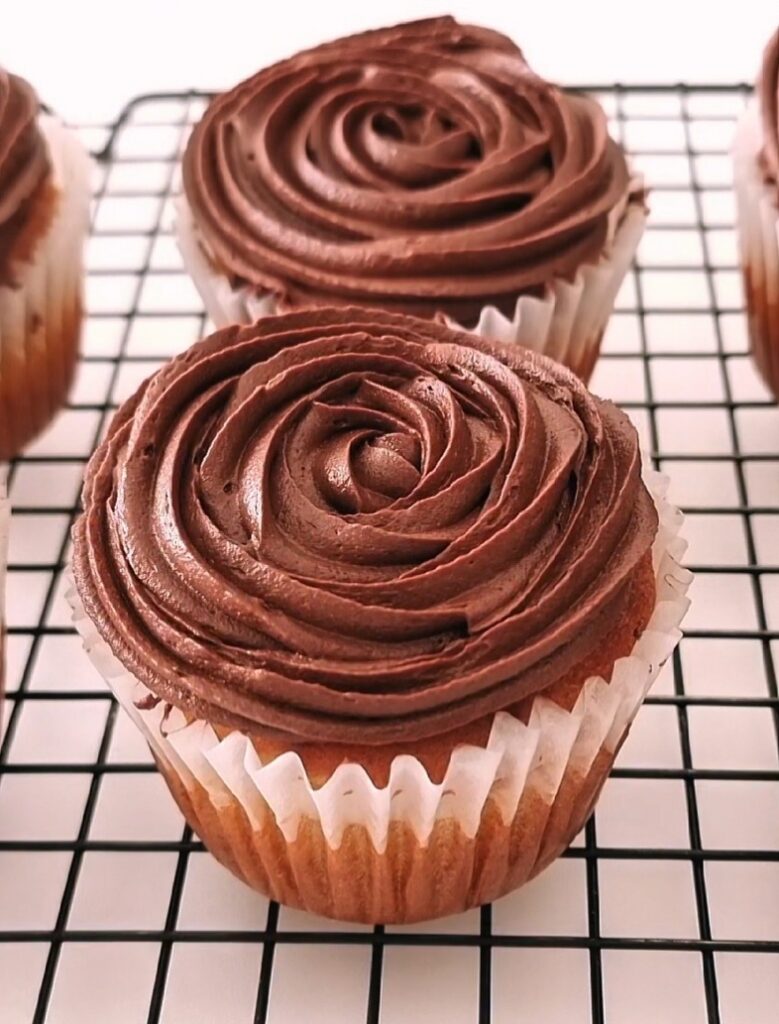
Welcome back to HealBaker — where dessert isn’t a “cheat,” it’s a choice you can feel good about.
Some days, you do everything right… and still, your brain whispers:
“Just one sweet thing.”
Not a sad substitute. Not a dry gluten-free muffin pretending to be cake.
A real, rich, chocolatey reward — without the sugar crash.
That’s exactly why I keep baking these sugar-free peanut butter chocolate cupcakes.
They’re fudgy, deeply nutty, and the first bite feels like you can finally exhale. 🧁
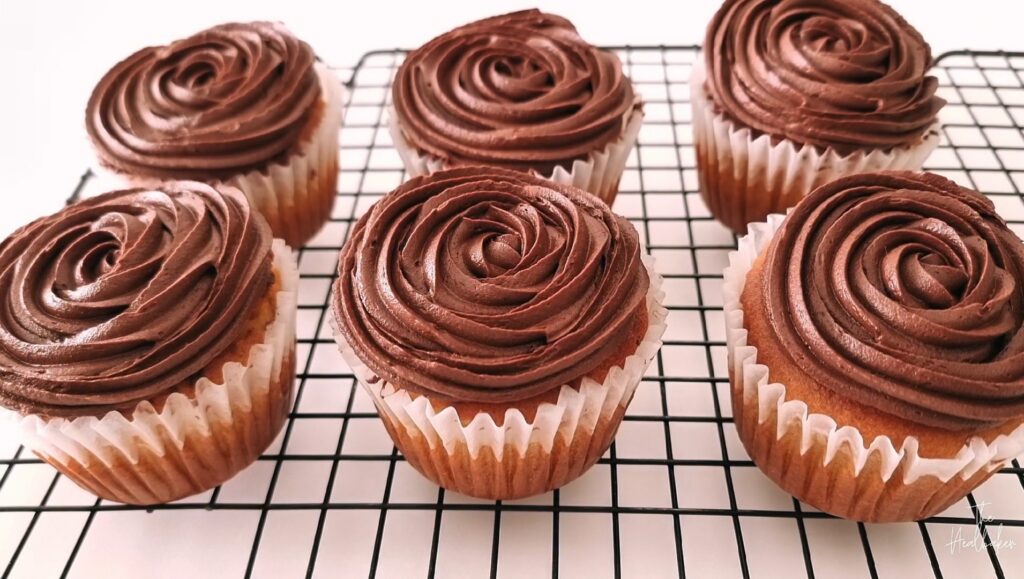
I started making sugar-free peanut butter chocolate cupcakes on the kind of afternoon when you want comfort… but you also don’t want regret later.
If you’re managing blood sugar, eating low-carb, or simply trying to avoid refined flour and sugar, you already know the pattern:
A sweet treat can feel amazing for 10 minutes… and then your body complains.
So I wanted a cupcake that delivers the real dessert feeling—but built in a smarter way.
When I first started gluten-free baking, I did what most people do:
I grabbed a basic white rice flour mix and hoped for the best.
And yes — you can make cupcakes that way.
But if you’re managing blood sugar (or just paying attention to how food makes you feel), you may notice something: refined rice flour can hit fast.
So at HealBaker, I started building recipes differently — with two goals:
That’s how my Fiber-Rich GF Blend was born.
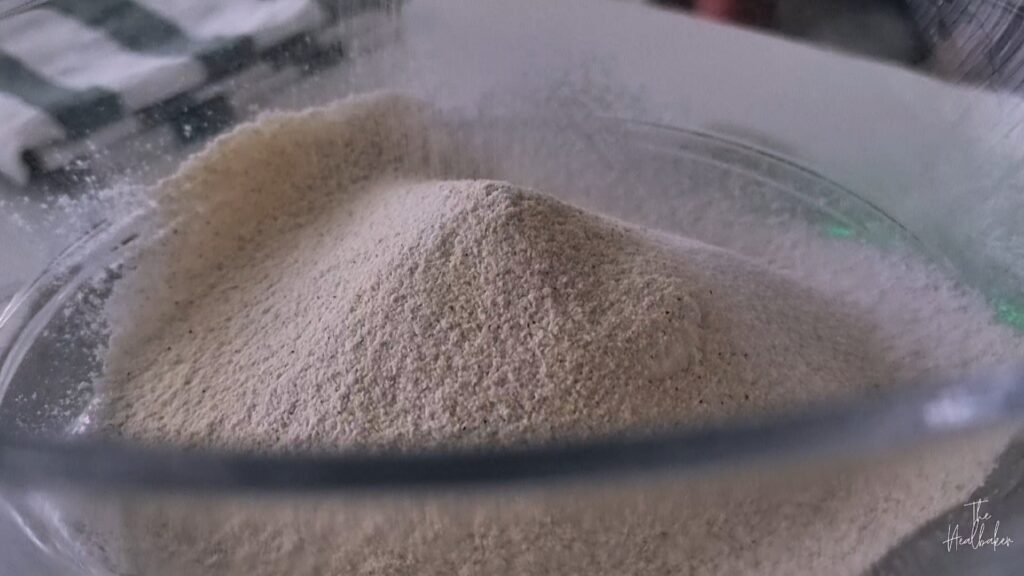
I know… making a custom blend sounds like extra work.
But here’s what happens when you stop using a plain rice mix and start using a grain-balanced blend:
And the best part?
Chocolate + peanut butter tastes even richer when the base has real grain character behind it.
This blend is designed to do two things at once:
support structure and avoid an overly refined flour feel.
| Ingredient | What it does in the recipe | Pro tips / swaps |
|---|---|---|
| Brown rice flour | Base structure + mild sweetness | Too much = dry; this is why we blend grains |
| Potato starch | Tender crumb + “lift” | Helps avoid gritty GF texture |
| Sorghum | Soft structure + balanced flavor | Great for “wheat-like” feel |
| Millet | Lightness + gentle sweetness | Adds a clean finish |
| Buckwheat (tiny %) | Depth + nuttiness | Small amount = flavor boost without bitterness |
| Almond flour | Moisture + richness + lower glycemic feel | Also softens grainy texture |
| Allulose | Sweetness without added sugar | Browns faster → bake lower temp |
| Xanthan gum | Gluten “replacement” (elasticity + hold) | Must be evenly dispersed (sift/whisk well) |
| Baking powder | Rise + lighter crumb | Check freshness (old = dense cupcakes) |
| Peanut butter | Flavor + fat + structure | Use smooth, unsweetened for stable batter |
| Oil | Moistness over time | Keeps cupcakes soft even when chilled |
| Egg + egg white | Structure + lift | Extra white improves height without heaviness |
| Lemon juice | Brightness + balance + slight tenderizing | Cuts peanut butter heaviness |
Starch isn’t the enemy in gluten-free baking — it’s a tool.
The magic is in the ratio.
These cupcakes are 100% sugar-free thanks to allulose.
Allulose is wonderful — but it has a personality:
✅ Sweet like sugar
✅ Doesn’t behave like sugar in the body the same way
⚠️ Browns faster than sugar
That’s why we bake at 160°C (320°F).
Lower and steadier = baked through, beautifully tender, not over-dark on top.
Cupcakes sank in the middle
Texture is dense
Too dark on top, not baked inside
Buttercream gritty
These cupcakes are proof that “healthy” doesn’t have to mean dry, bland, or joyless.
When gluten-free baking is built on a smart blend (not one-note rice flour), you get dessert that tastes like the real thing — with ingredients that align better with metabolic goals.
If you bake them, leave a comment on healbaker.com:
Tell me your oven, your peanut butter brand, and how the crumb turned out — I’ll help you tweak it to perfection.
If you love this style of baking, you’ll also enjoy:
Happy Healthy Baking 🧁✨
These sugar-free peanut butter chocolate cupcakes are rich, fudgy, and surprisingly bakery-style—made with a fiber-rich gluten-free blend and allulose for a sweet bite without the sugar crash. Gluten-free, keto-friendly, and diabetic-mindful, with a fluffy chocolate PB frosting that tastes like a real treat.
Preheat your oven to 160°C (320°F).
Line 6 cupcake cups with liners.
In a large bowl, whisk together the GF blend, almond flour, allulose, baking powder, salt and xanthan gum.
Pro-tip: Sifting is optional but highly recommended for a smoother texture.
Combine peanut butter, oil, milk, eggs, and lemon juice.
Whisk until perfectly smooth. Ensure there are no peanut butter lumps for a consistent crumb.
Add in 3 parts for a smooth batter
Combine in 3 Parts : Add the wet ingredients to the dry bowl in three separate additions. Mix gently after each part until just combined. This ensures all ingredients are perfectly incorporated without clumping.
Fold, Don't Overmix: Mix until you no longer see dry flour. Overmixing can affect the final texture.
Check Consistency: The batter should be thick but flowing. If it feels too stiff, add a small splash of milk (+10g).
Fill each liner about 3/5 full (makes exactly 6 cupcakes).
Crucial: Start checking with a toothpick at the 20-minute mark. If it comes out clean, they are done!
Since allulose browns more quickly, your baked goods may darken faster than usual. Please note that baking temperatures can vary by oven. When trying this for the first time, be sure to keep a close eye on the temperature and baking time.
Cool in the pan for 10 minutes, then transfer to a wire rack.
Important: They must be completely cool before frosting, or the buttercream will melt!
Whip room temperature butter and peanut butter for 2–3 minutes until creamy.
Add allulose powder and whip for 2-3 minutes to achieve the best texture.
Mix in cocoa powder, and a pinch of salt.
Texture Check: If too thick, add a little cream. If too soft, chill in the fridge for 10 minutes then re-whip.
Pipe a rich swirl on each cupcake.
Top with chopped roasted peanuts for extra crunch (Optional).
Enjoy!!!!!


